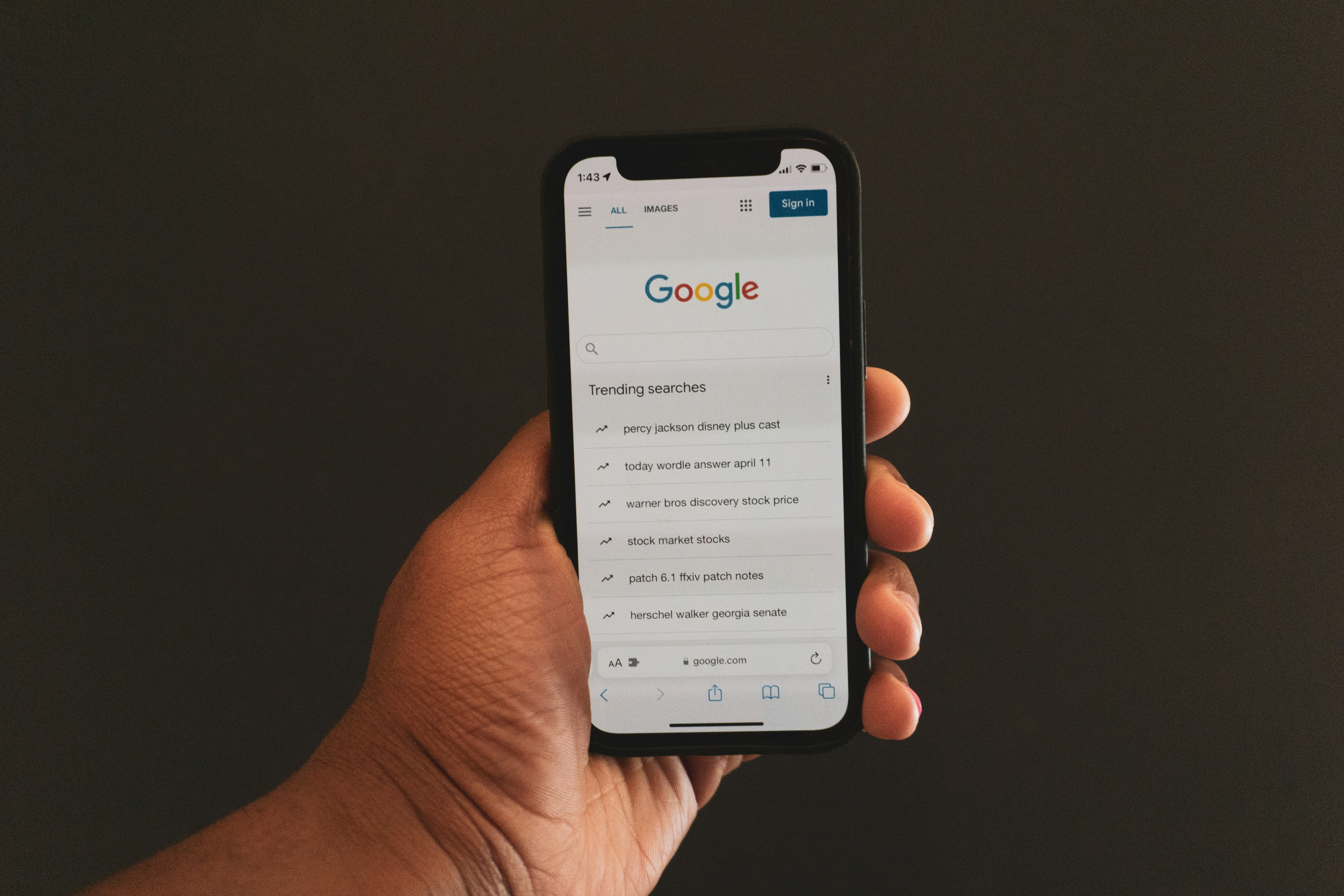
Introduction to the Digital Age
The emergence of the digital age has fundamentally altered the landscape of everyday life in America. With the rapid adoption of the internet, there has been a significant shift in how individuals interact with the world around them. Over the past few decades, digital devices have transitioned from being luxuries to indispensable tools in the lives of many Americans. This pervasive presence of technology has led to a unique culture where online trends play a crucial role.
One of the most telling aspects of this digital culture is the overwhelming reliance on the internet for daily activities. Statistics show that a substantial portion of Americans are connected online through various devices—smartphones, tablets, and computers. This connectivity has fostered a new environment where information is readily available, and social interactions often occur in virtual spaces. The interwoven nature of online trends into daily routines highlights how deeply entrenched this digital culture has become.
As online trends continue to evolve, they directly influence essential aspects of life, including shopping habits, modes of entertainment, and channels of communication. For instance, consumers increasingly turn to e-commerce platforms for their shopping needs, demonstrating a shift from traditional retail experiences to online marketplaces. Furthermore, entertainment has transformed with the rise of streaming services and social media platforms that dictate what content is popular and widely consumed.
This introductory exploration sets the stage for a deeper examination of how digital culture shapes the lives of individuals in America. By understanding the significance of these online trends, one can appreciate the profound effects they have on communication, commerce, and leisure activities, making the digital landscape an integral part of daily existence.
The Evolution of Shopping Habits
The way consumers shop has undergone a significant transformation over recent years, primarily driven by online trends and digital culture in the United States. The rise of e-commerce has revolutionized shopping habits, as a considerable number of consumers now prefer the convenience of purchasing goods and services over the internet rather than visiting traditional brick-and-mortar stores. This shift can be attributed to a variety of factors including time efficiency, a broader selection of products, and the ease of price comparison.
Social media platforms have also played a pivotal role in shaping purchasing decisions. These platforms serve not only as places for social interaction but also as powerful marketing tools. Influencers and brands engage with consumers through targeted advertisements and organic content, showcasing products and trends that resonate with their audiences. As a result, shoppers are increasingly influenced by the products they see on platforms like Instagram and Facebook, leading to a dynamic interplay between social media engagement and consumer behavior.
Furthermore, the growing demand for convenience has propelled the popularity of mobile shopping and subscription services. With smartphones becoming omnipresent in daily life, consumers can make purchases with just a few taps. Mobile apps and websites are tailored to meet user needs, enhancing the shopping experience through intuitive navigation and personalized recommendations. Subscription services, in which consumers receive regular deliveries of products curated to their preferences, are also gaining traction as they offer convenience and time-saving benefits, allowing individuals to embrace this evolving digital culture.
Overall, the intersection of these trends illustrates a profound shift in shopping habits, where online trends dictate how consumers engage with products and brands, ultimately leading to a more streamlined and efficient shopping experience.
Entertainment in the Streaming Era
The landscape of entertainment has transformed significantly in recent years, largely due to the influence of online trends and the rapid expansion of digital culture in the U.S. Streaming services such as Netflix, Hulu, and Disney+ have risen to prominence, offering viewers an extensive library of content that can be accessed at their convenience. This shift has altered traditional viewing habits, as audiences now prefer on-demand content over scheduled television programming.
Moreover, social media platforms have played a significant role in shaping how people discover and engage with entertainment. Content creators leverage these platforms to share trailers, behind-the-scenes clips, and reviews, which can sway public interest in particular shows or films. Viral challenges and meme culture often emerge as a response to popular media, creating a feedback loop where online trends directly inform what content becomes mainstream. This interactive dynamic fosters a culture where viewers are not merely passive consumers but actively participate in the conversation surrounding a show or movie.
In addition to streaming services and social media, online gaming has emerged as a pivotal form of entertainment. The increasing accessibility of high-quality gaming experiences and the social aspects of gaming—such as multiplayer capabilities and streaming on platforms like Twitch—have solidified gaming as a cornerstone of contemporary entertainment. This evolution illustrates a significant shift not only in how content is consumed but also in how individuals connect with one another through shared digital experiences. As entertainment continues to adapt to these online trends, it becomes evident that the digital culture in the U.S. is redefining the traditional avenues of entertainment.
The Shift in Communication Styles
The evolution of communication styles in America has significantly transformed due to the influence of online trends and the pervasive nature of digital culture. Social media platforms such as Facebook, Twitter, and Instagram have shifted the way individuals connect and interact, elevating online communication over traditional face-to-face conversations and even phone calls. Gone are the days when a simple phone call was the primary method of catching up; instead, many Americans now turn to instant messaging apps like WhatsApp or Snapchat to convey messages in real time.
The rise of text messaging and video calls can largely be attributed to the increasing reliance on smartphones that facilitate instant communication. This transition has altered the social fabric of interactions, with people often preferring written or visual communication forms that allow for multitasking and faster exchanges. Platforms such as Zoom and Google Meet have further propelled this trend, enabling users to conduct meetings or social gatherings from the comfort of their homes while breaking geographical barriers.
Moreover, the casual nature of online conversations, characterized by emojis, memes, and gifs, has introduced a new language of communication that reflects modern social dynamics. The incorporation of visual elements has not only made interactions more engaging but has also influenced how emotions and intentions are conveyed, making them more relatable in a digital context.
However, despite these advancements, one cannot disregard the potential downsides. The decline of traditional communication methods has led to concerns regarding the quality of interpersonal relationships. Reduced personal interactions may impact the ability to read non-verbal cues and develop a deeper understanding of one another. While online trends and the digital culture continue to dominate American communication, it is essential to balance these modern methods with the benefits of direct human interaction to foster meaningful connections.
The Influence of Social Media on Consumer Behavior
In today’s digital culture in the United States, social media has become a powerful tool that significantly shapes consumer behavior. Platforms such as Instagram, Facebook, and TikTok not only facilitate social interaction but also act as primary sources of information about products and services. As online trends evolve, so do the ways in which brands engage consumers through these channels.
One of the notable phenomena within social media is the rise of influencers—individuals who, through their extensive follower bases, can sway public opinions and purchasing decisions. Influencers often embody the products they endorse, making them relatable to their audience and effectively bridging the gap between brands and consumers. The authenticity perceived in influencers’ recommendations plays a critical role in consumer perceptions, reinforcing brand loyalty and encouraging purchases.
Moreover, targeted advertising has emerged as a sophisticated component of online marketing strategies. Utilizing algorithms that analyze user behavior and preferences, social media platforms serve tailored advertisements to users, increasing the likelihood of engagement and conversion. By presenting products in a context that resonates with users’ interests, brands can effectively tap into the trends that influence consumer choices.
Additionally, user-generated content (UGC) has cemented its status as a vital aspect of marketing strategies. UGC, which encompasses reviews, testimonials, and creative content produced by consumers, fosters a sense of community and trust around a brand. This organic form of content not only amplifies brand visibility but also actively engages consumers, encouraging them to participate in the discussion surrounding the brand’s offerings.
In conclusion, social media significantly influences consumer behavior in America, shaping perceptions through influencers, targeted advertising, and user-generated content. Recognizing the power of these online trends is essential for brands aiming to connect with today’s digital savvy consumers.
Digital Culture and Mental Health
The intersection of online trends and mental health has become increasingly relevant in today’s society. As the digital culture continues to shape daily life, it greatly influences individuals’ mental well-being. The rise of social media platforms and other digital communication tools has fostered a sense of connectivity that was previously unattainable, offering support networks for those who may be struggling with mental health issues. Online trends often highlight mental health awareness, encouraging discussions that help demystify these topics and reduce stigma. Communities formed around shared experiences can be a source of empowerment, allowing individuals to connect and share coping strategies, advice, and encouragement.
However, while these aspects of digital connectivity present beneficial opportunities, they also come with challenges. The prevalence of social media anxiety has grown as users often compare their lives to the curated realities presented online. This comparison can lead to feelings of inadequacy and unhappiness, particularly among younger demographics who are more susceptible to such pressures. Furthermore, the phenomenon of cyberbullying has emerged as a significant threat within digital culture, affecting mental health in profound ways. Victims of online harassment often experience increased levels of stress, anxiety, and depression. The anonymity offered by the internet can embolden negative behaviors, leading to a toxic online environment for many.
Additionally, the paradox of increased connectivity is the potential for isolation. Despite being more connected than ever, individuals may find themselves feeling lonely if their online interactions lack depth and authenticity. Engaging only in superficial online trends can contribute to a sense of disconnection from real-world relationships, further exacerbating mental health struggles. Thus, understanding the dual aspects of digital culture is vital to navigating its impact effectively and responsibly.
Work and Life Balance in the Digital Age
The advent of online trends has profoundly transformed the work-life balance for many Americans, particularly through the rise of remote work. With the proliferation of digital tools and platforms, employees are now able to perform their tasks from virtually anywhere. This flexibility has enabled a significant shift in how individuals approach their professional responsibilities while managing personal commitments.
As digital culture in the U.S. evolves, the integration of work and personal life has become increasingly blurred. The availability of communication tools, such as email, chat applications, and video conferencing, allows employees to stay connected with colleagues outside traditional office hours. While this accessibility can enhance collaboration and productivity, it can also lead to an expectation of constant availability, which may contribute to heightened stress levels as individuals struggle to separate their work from their personal lives.
The implications of these online trends are both positive and negative. On one hand, the flexibility afforded by remote work can lead to increased job satisfaction and better overall well-being for those who thrive in a digital workspace. Many employees report enjoying the ability to customize their work environments and schedules, which can enhance productivity. On the other hand, the lack of clear boundaries may result in burnout as individuals find it difficult to disengage from work responsibilities.
Overall, the influence of online trends on work-life balance represents a nuanced landscape where productivity may be bolstered by digital tools, yet the risk of stress and burnout looms large. Understanding how to navigate these complexities is essential for maintaining a healthy and fulfilling work-life integration in today’s digital age.
The Rise of Digital Activism
The evolution of online trends has significantly transformed how individuals engage in social and political movements in the United States. Digital activism, a term that encapsulates the use of digital tools for advocacy, has gained momentum, particularly fueled by the growing influence of social media platforms. These platforms have become essential in amplifying voices that may otherwise be marginalized, allowing for a wider reach and more effective mobilization of supporters for various causes.
Through hashtags and viral campaigns, social media has enabled users to raise awareness about pressing issues, from climate change to racial equality. For example, movements such as Black Lives Matter and #MeToo illustrate how online trends have facilitated discussions around systemic injustices and encouraged community members to take action. This type of digital culture in the U.S. emphasizes the power of collective action, as users can quickly organize protests, share information, and provide support for one another in real-time, which is not generally possible through traditional means.
The impact of these online movements extends beyond the virtual sphere; they often lead to tangible changes in policy and societal attitudes. Digital activism has reshaped how civic engagement occurs, encouraging younger generations to participate in the political process and advocate for causes they are passionate about. Furthermore, online platforms serve as a vital space for the exchange of ideas, fostering dialogue on trending topics that shape public opinion and influence legislative agendas in significant ways.
As traditional forms of activism adapt to the digital landscape, the role of online trends in political engagement continues to evolve. Social media has not only democratized activism but has also created a new paradigm in which individual voices contribute to broader societal changes. The future of activism will likely see an even greater integration of digital tools as society becomes increasingly interconnected.
Conclusion: Embracing the Future of Digital Trends
The landscape of digital culture in the United States is a vibrant tapestry woven from a myriad of online trends and evolving technologies. Throughout this discussion, we have explored how various trending topics influence our daily lives, from the adoption of social media platforms to the rise of e-commerce and remote work. Each facet of this digital culture underscores the importance of adapting to the continual evolution of our online environment.
As we have seen, the impact of these trends is not merely confined to entertainment or commerce; they penetrate numerous aspects of society, including education, communication, and even personal interactions. In this age of rapid technological advancement, embracing these changes is crucial. Staying informed about emerging online trends allows individuals and organizations to navigate the shifting terrain of digital culture effectively.
Moreover, being adaptive is imperative for both businesses and consumers alike. Organizations that recognize and engage with current digital trends often find themselves at a competitive advantage, enhancing their relevance in the market. Conversely, individuals who remain aware of new online trends can enrich their personal and professional lives by leveraging these innovations.
In essence, the ongoing evolution of digital culture in America is a call to action for all of us. By committing to continual education and open-mindedness toward trending topics, we can all participate in shaping a future that is fluid yet grounded in cooperation and growth. As digital trends continue to unfold, let us embrace the opportunities they present, ensuring that we remain at the forefront of this shared journey.