Living with chronic pain is something most people can barely imagine. For one teenager, however, pain was not an occasional visitor — it was a constant companion that shaped every part of his daily life.
At just fourteen years old, he was diagnosed with a rare genetic bone condition that caused abnormal bone growths throughout his body. While these growths were not cancerous, they pressed against nerves and muscles, creating severe and relentless pain. Simple tasks most teenagers take for granted — walking, writing, or even sitting comfortably — became almost impossible.
The condition affected multiple areas, including his knees, fingers, and ribs. Walking for more than a couple of minutes was unbearable. Holding a pen was out of the question. Pain was always present, lingering at a level many people only experience during serious injuries.
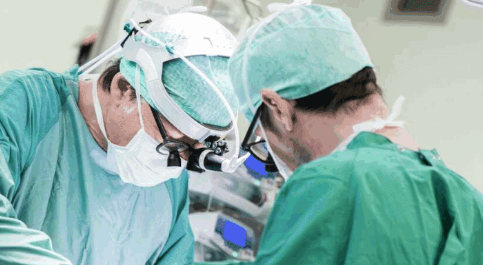
Eventually, doctors recommended a complex surgical procedure. The goal was to remove several of the most painful bone growths in his knee and repair damaged ribs that had been weakened by the disease. If successful, the surgery could restore his ability to walk. But it also carried serious risks.
The operation involved multiple procedures at once, making it extremely complicated. Doctors explained that there was a real chance things could go wrong. The possibility of complications — or worse — weighed heavily on everyone involved.
Yet, what shocked those around him was not fear, but acceptance.
He wasn’t suicidal, nor did he want to die. Instead, he had reached a point of emotional clarity. If the surgery succeeded, life could improve. If it failed, he had already adapted to living with pain. And if the worst outcome occurred, he believed the suffering would finally end.
Friends struggled to understand how someone so young could face such uncertainty with calmness. They questioned whether it was wrong to feel at peace with an outcome that scared everyone else. But for him, the decision was already made — the surgery was necessary, and whatever followed would simply be part of life’s path.
As the day arrived, he entered the operating room knowing that everything could change in a matter of hours.
Against the odds, the surgery was successful.
Recovery was painful and slow, but he survived. Over time, he continued learning how to live with his condition, adapting and finding strength where many would have given up. Years later, he reflected on that moment with maturity, acknowledging that fear and uncertainty had shaped his thoughts at the time — but also that resilience carried him forward.
His story serves as a powerful reminder that courage does not always look like bravery. Sometimes, it looks like quiet acceptance — and the strength to face whatever comes next.