Introduction to AI in Daily Life
The rapid advancement of artificial intelligence has sparked a revolution in everyday experiences, particularly within the United States. AI technologies have proliferated, fundamentally altering how individuals interact with their surroundings. From enhancing productivity at work to streamlining home automation, the influence of AI is increasingly evident in daily life. In 2026, numerous trending AI gadgets are emerging that promise to reshape how households function, marking a significant shift in technology adoption across various sectors.
For many consumers, the integration of AI into daily routines has moved from a novel concept to a necessity. Smart devices, once considered luxury items, are now commonplace, offering functionalities that simplify tasks, save time, and foster efficiency. These gadgets range from voice-activated assistants that manage household schedules to intelligent home security systems that provide peace of mind. As consumers seek the best AI apps of 2026, the emphasis on optimizing daily tasks through technology becomes paramount.
The increasing ubiquity of AI tools is reflected in emerging tech trends in the USA, where both urban and suburban homes are witnessing the transformative impact of future technology. Consumers are drawn to innovative solutions that enhance their lifestyles, whether through hands-free assistance or automation of routine chores. This interplay between AI advancement and consumer demand signals a shift toward smarter living environments, where machines not only assist but also learn and adapt to individual preferences.
As the dialogue surrounding AI technology evolves, it is crucial to understand how these advancements are not merely about convenience. The focus on sustainable living and energy efficiency, driven by many emerging AI devices, shapes a future that is not just technologically advanced but also environmentally conscious. Thus, the exploration of these AI innovations reveals their significant potential in enriching lives and transforming mundane tasks into enjoyable experiences.
The Rise of Smart Home Devices
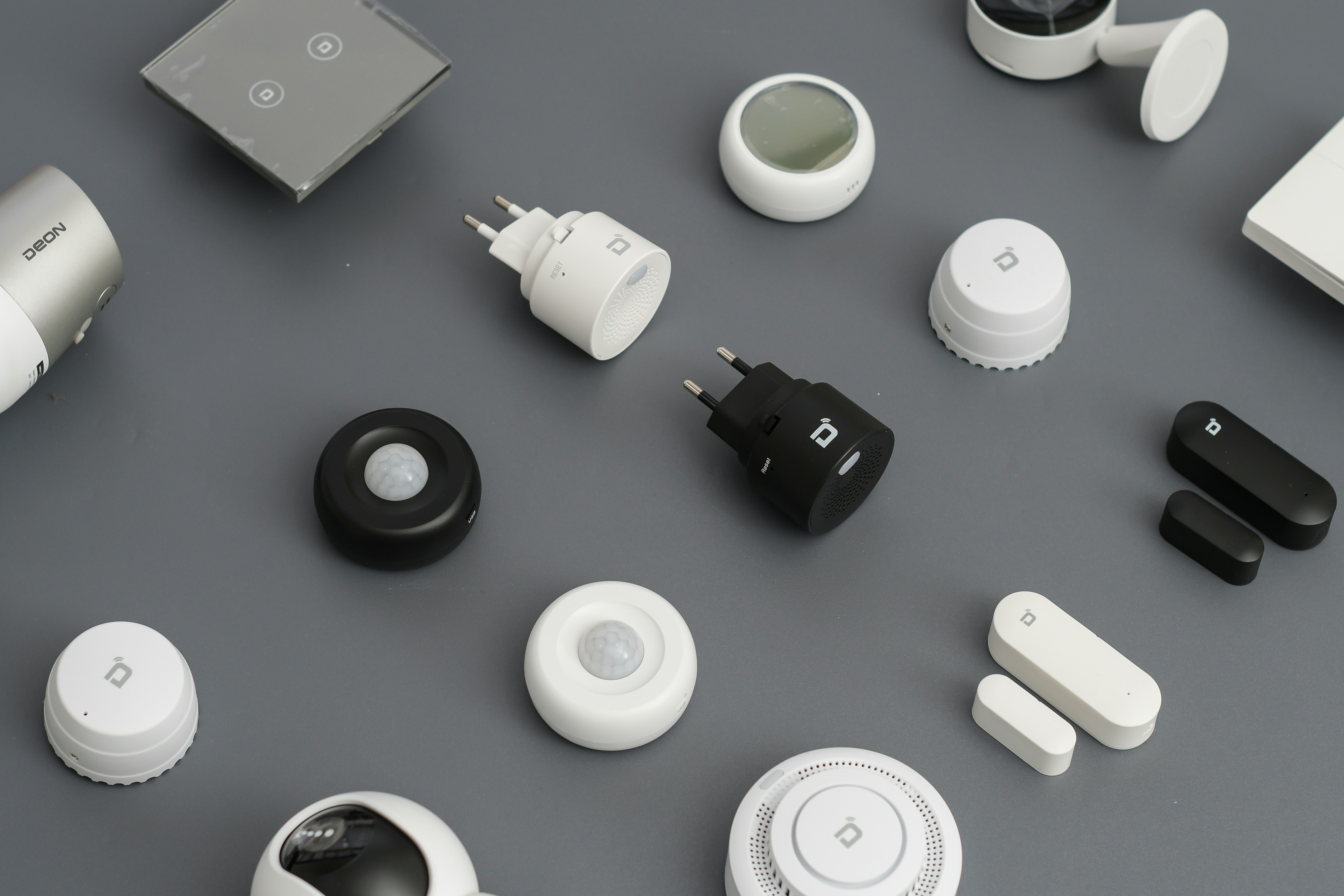
In recent years, there has been a notable surge in the popularity of smart home devices, illustrating a significant shift in how we interact with our living spaces. These trending AI gadgets encompass a variety of functionalities, ranging from voice-activated speakers to intelligent thermostats and automated lighting systems. Their integration into daily life not only enhances convenience but also contributes to improved energy efficiency and heightened security in American homes.
One of the most prominent categories within this technology sector is smart speakers. These devices, powered by advanced AI, serve as central hubs that control various smart home features, allowing users to manage tasks effortlessly through voice commands. The ability to play music, adjust home thermostats, or control lighting systems with simple spoken phrases exemplifies the seamless convenience these gadgets offer. As such, they have become indispensable tools for many, heralding a new era in which household chores and entertainment are simplified.
In addition to improving day-to-day comfort, smart lighting systems and smart thermostats play crucial roles in energy efficiency. For instance, smart thermostats can learn a homeowner’s routine and adjust heating and cooling systems accordingly, thereby lowering energy consumption. This technology aligns perfectly with emerging tech trends in the USA, which emphasize sustainability and reduced carbon footprints. Meanwhile, smart lighting systems can be programmed to turn off automatically when a room is unoccupied, further promoting responsible energy use.
Moreover, the security features of smart home devices cannot be ignored. With the advent of AI-enhanced surveillance cameras and smart locks, homeowners can monitor and control access to their properties from anywhere in the world. This integration of AI into home security systems not only provides peace of mind but also represents a significant step forward in the realm of future technology.
Top AI Productivity Apps of 2026
The rapid evolution of technology continues to reshape the landscape of productivity applications, particularly with the advent of artificial intelligence. The most popular AI-driven productivity apps of 2026 are revolutionizing the way individuals manage their tasks, schedules, and projects, streamlining workflows like never before. Major tech trends in the USA showcase a strong inclination towards integrating smart technologies into daily routines, emphasizing efficiency and organization.
One of the standout features of these trending AI gadgets is their ability to automate mundane tasks, allowing users to focus on what truly matters. For instance, applications such as TaskMaster 2026 leverage AI algorithms to intelligently prioritize tasks based on deadlines, relevance, and personal productivity patterns. This feature has proven indispensable for both personal and professional use, facilitating optimal time management.
Another remarkable innovation is the enhanced calendar management integrated into notable AI apps like SmartSchedule. Utilizing machine learning, these apps can intelligently suggest optimal meeting times, taking into account the user’s preferences and availability. This not only helps in avoiding scheduling conflicts but also ensures that meetings are organized at times when all participants can contribute effectively.
Moreover, virtual assistance has been significantly enhanced across productivity apps. With AI technologies, assistants now comprehend context and provide insightful recommendations. For example, applications like AI Buddy continuously learn from user interactions, adjusting their functionality to cater to specific needs. From sending reminders to drafting emails or reports, the versatility offered by these best AI apps of 2026 is reshaping personal productivity.
Overall, the integration of AI technology into productivity applications signifies a profound shift in how tasks are accomplished. By harnessing the capabilities of these innovative tools, users are empowered to maximize their productivity, seamlessly navigate daily challenges, and embrace the future of technology in their everyday lives.
AI for Health and Wellness
The integration of artificial intelligence into health and wellness has ushered in a new era of personalized care, leveraging technology to enhance daily living. In 2026, the emergence of trending AI gadgets specifically designed for this purpose is noteworthy. For example, innovative fitness trackers utilize advanced algorithms to monitor physical activity and provide real-time feedback tailored to individual health goals. These devices do not merely count steps; they analyze heart rate fluctuations, suggest workout routines, and even assess sleep patterns, thus fostering a comprehensive understanding of one’s wellness journey.
Furthermore, the availability of the best AI apps in 2026 has revolutionized meal planning and dietary management. By analyzing users’ dietary preferences, nutritional needs, and gathering data on eating habits, these applications generate customized meal plans that promote healthier eating choices. These tools not only assist individuals in making informed choices but also facilitate the development of sustainable eating habits that are crucial for long-term wellness.
The role of technology in mental health is another critical aspect of AI’s impact in everyday life. Applications designed for mental health support employ AI technologies to provide users with coping strategies, meditation guidance, and even connect them with licensed therapists. This democratization of access to mental health resources is paramount, particularly in a society that increasingly values emotional well-being as part of a holistic approach to health.
In essence, the advancements in AI for health and wellness encapsulate a significant shift in lifestyle choices across the United States. These technologies not only promote enhanced physical health but also prioritize mental and emotional well-being. As we continue to explore these emerging tech trends in 2026, it is clear that the future technology landscape will be increasingly shaped by the effectiveness of AI in facilitating healthier, more balanced lives.
Home Office Automation: The AI Revolution
The integration of artificial intelligence into home office setups is revolutionizing how remote work is conducted. With the rise of trending AI gadgets, professionals are increasingly utilizing innovative tools to enhance productivity and streamline daily operations. These technologies cater specifically to the unique challenges encountered in a home office environment.
One of the most significant advancements is the introduction of intelligent meeting schedulers. These apps utilize machine learning algorithms to analyze participants’ availability, preferences, and even previous meeting patterns to propose optimal meeting times. This not only saves time but also minimizes the back-and-forth communication often associated with scheduling. By embracing these best AI apps of 2026, workers can significantly optimize their workflows and focus on their core tasks.
Another remarkable development includes noise-canceling technologies, which have become essential in home offices. Various gadgets equipped with AI-powered noise reduction capabilities help create a conducive work environment by filtering out distracting sounds. This technology allows remote workers to engage in virtual meetings or concentrate on their tasks without disruption, thereby enhancing overall productivity.
Moreover, virtual reality spaces for meetings are making significant strides, representing the future of technology in remote collaboration. These immersive environments allow users to engage with colleagues in a more interactive and participatory manner, overcoming the limits of traditional video conferencing. As tech trends in the USA continue to evolve, these innovative solutions will not only improve communication but also foster connectivity among remote teams.
Overall, the application of AI in home office automation showcases the potential of these technologies to reshape the landscape of remote work. By integrating trending AI gadgets and applications into daily routines, professionals can experience more efficient workflows while enhancing collaboration and productivity.
Enhancing Family Life with AI
In the current landscape of rapidly evolving technology, families across the United States are increasingly incorporating trending AI gadgets and applications into their daily lives. The adoption of these tools has significantly enhanced family organization and dynamics, allowing for more efficient management of responsibilities and shared experiences. AI-powered applications now assist parents in scheduling activities, coordinating family calendars, and tracking important tasks—all of which contribute to a more harmonious home environment.
Among the most notable advancements are family organization tools that utilize AI to streamline household management. These applications help parents to coordinate their children’s schedules, ensuring that everyone stays on track with school projects, extracurricular activities, and family events. With features such as personalized reminders and shared calendars, families can minimize stress and maximize quality time spent together. Additionally, these tools can help alleviate the common challenges faced by parents in juggling multiple responsibilities, allowing them to focus more on nurturing their children’s development.
AI has also made substantial strides in the realm of entertainment and education within the family unit. AI games, designed for both learning and leisure, provide children with engaging ways to develop critical thinking and problem-solving skills while having fun. These interactive experiences not only promote cognitive growth but also serve as a platform for family bonding. By participating in educational AI games together, parents can play an active role in their children’s learning journey, fostering a supportive atmosphere for curiosity and discovery.
The impact of AI on family life extends to parenting aids that offer valuable insights into child development. From tracking behavioral patterns to providing personalized recommendations for educational resources, these applications empower parents to make informed decisions. As families embrace these innovative tools, it becomes evident that the integration of future technology into daily life is reshaping the concept of parenting, bringing ease and efficiency to busier lifestyles.
Safety and Security Innovations
As the landscape of technology continues to evolve, safety and security innovations are becoming increasingly prominent within American households. The introduction of trending AI gadgets, particularly those focusing on home security, underscores a growing concern for personal safety and the desire for peace of mind. Among such innovations, smart security cameras have garnered significant attention. With advanced features including facial recognition and real-time alerts, these devices allow homeowners to monitor their property from any location, enhancing both safety and convenience.
Automated alarm systems represent another leap in safety technology. They are integrated with AI capabilities to analyze patterns and distinguish between normal and suspicious activities. These systems can send immediate notifications to homeowners and authorities, significantly reducing reaction times in emergency situations. As families increasingly prioritize their security, the integration of these smart home solutions is surging, aligning with the best AI apps of 2026 that focus on user-friendly interfaces and seamless connectivity.
AI-based monitoring features play a crucial role in bolstering home security. These innovations utilize machine learning algorithms to learn the daily habits of residents, making it easier to detect anomalies and potential threats. For instance, if an individual is detected in a home when it is typically unoccupied, the system can trigger alerts, enabling rapid response measures. The convergence of future technology and home security gadgets significantly contributes to a safer living environment.
In the realm of tech trends USA, the integration of these intelligent systems reflects a broader shift towards utilizing technology to enhance everyday life. Such innovations are not only transforming homes into safer spaces but also fostering a sense of security for families. By embracing these advancements, American households can leverage trending AI gadgets to fortify their safety protocols against an ever-evolving landscape of threats.
Skepticism and Challenges
As the realm of future technology continues to evolve, many are experiencing skepticism regarding the rapid advancements in trending AI gadgets and applications. This skepticism primarily revolves around concerns over privacy and data security that are prevalent in an increasingly interconnected world. With the rise of the best AI apps 2026, there is an underlying anxiety about how personal data is collected, stored, and utilized by these technologies. Users often question the extent of surveillance they might be subjected to and may feel uncomfortable with the idea of having their digital footprints monitored by algorithms.
Furthermore, a notable challenge in the sphere of AI technology is the implication it has on the workforce. As automation becomes more sophisticated with advanced AI, there is a growing fear that human jobs may become obsolete, leading to reliance on machines over traditional employment. This concern raises significant discussions about economic impact, the transformation of job markets, and the human experience at large. It is essential for stakeholders to address these issues openly to foster trust and acceptance among the populace.
The industry has made strides to alleviate these concerns through transparency initiatives and robust cybersecurity measures. Companies are increasingly prioritizing data protection and employing ethical frameworks to guide the development of their technologies. Additionally, ongoing dialogues around AI ethics aim to involve the public in discussions about the implications of these advancements. As tech trends in the USA shift towards embracing AI, it is crucial that consumers remain informed and vigilant regarding their rights and the potential risks, ensuring an understanding of how to navigate the future of technology.
Conclusion: The Future of AI Gadgets and Apps
As we reflect on the advancements made in AI technology and its implications for daily life in 2026, it becomes evident that trending AI gadgets and apps are not just minor enhancements; they represent a significant transformation of our everyday activities. With the rapid integration of these technologies, we have witnessed a profound shift in how we communicate, work, and even manage personal tasks. The emergence of the best AI apps of 2026 demonstrates the potential for increased efficiency and creativity in various spheres of life, ultimately sculpting our interaction with the world.
The tech trends in the USA indicate a continuous trajectory toward more intuitive and responsive AI tools. These gadgets and applications are evolving in complexity, learning from user behaviors to provide customized experiences. As artificial intelligence continues to refine its algorithms, we can expect gadgets that anticipate our needs and preferences, thereby enhancing our productivity and quality of life. The integration of AI in daily routines signifies a new era where technology seamlessly adapts to human requirements.
Looking ahead, one cannot help but speculate about future technology advancements that will further influence how we live and interact. Innovations could include more sophisticated health monitoring devices, AI-powered educational tools, and smart home systems that provide elevated comfort and security. As we embark on this journey into the future, fostering a dialogue around the implications of these technologies remains essential. Engaging with the evolution of AI ensures that we harness its transformative power responsibly and ethically, maximizing benefits while minimizing concerns.