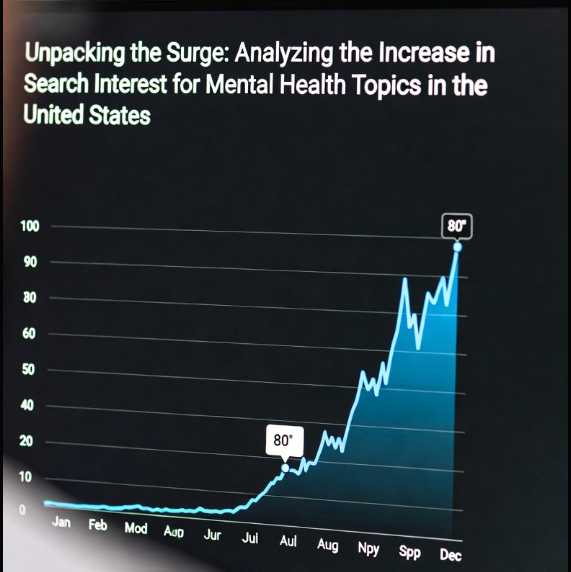
In recent years, the United States has witnessed a notable rise in public interest surrounding mental health. This shift is not only reflected in conversations on social media and traditional news outlets, but also clearly visible in online search behavior. From anxiety and depression to burnout and emotional well-being, Americans are increasingly turning to search engines to seek information, guidance, and support related to mental health topics.
This growing search interest signals a broader cultural and societal change—one that highlights evolving attitudes toward mental health, greater awareness, and an urgent need for accessible resources. Understanding the factors behind this surge offers valuable insight into the challenges facing modern American society and the ways individuals are responding to them.
Understanding Search Interest Trends
Search interest trends refer to changes in how frequently specific terms are searched online over time. These trends often act as a mirror of public concerns, priorities, and lived experiences. When mental health–related searches increase, it typically reflects heightened awareness, increased stress levels, or greater willingness to discuss psychological well-being openly.
Unlike previous decades, when mental health topics were often stigmatized or ignored, today’s digital landscape allows people to seek information privately and instantly. Search engines have become a first point of contact for individuals experiencing emotional distress or simply wanting to better understand their mental health.
Key Factors Driving the Rise in Mental Health Searches
1. Increased Awareness and Reduced Stigma
One of the most significant contributors to the surge in mental health searches is the gradual reduction of stigma. Public discussions around mental health have become more normalized, especially among younger generations. Campaigns promoting emotional well-being, along with open conversations in workplaces, schools, and online communities, have encouraged individuals to seek information without fear of judgment.
As mental health becomes a regular part of public discourse, people feel more comfortable acknowledging symptoms and exploring solutions through online research.
2. The Impact of Modern Lifestyles
The pace of modern life in the United States has intensified dramatically. Long work hours, constant digital connectivity, and economic uncertainty have contributed to increased stress and burnout. Many Americans report feeling overwhelmed by balancing professional responsibilities, personal obligations, and financial pressures.
Remote work, while offering flexibility, has also blurred boundaries between work and personal life. As a result, searches related to stress management, anxiety symptoms, and work-life balance have steadily increased.
3. Social Media and Digital Exposure
Social media platforms play a dual role in shaping mental health awareness. On one hand, they provide spaces for sharing experiences, education, and peer support. On the other, excessive screen time and constant comparison can negatively impact self-esteem and emotional health.
Exposure to curated lifestyles, breaking news, and online debates can intensify feelings of anxiety or inadequacy. This digital environment often leads individuals to search for coping strategies, mental health explanations, or reassurance online.
4. Generational Shifts in Attitudes
Younger generations in the United States—particularly Millennials and Gen Z—are more open about discussing mental health than previous generations. These age groups are also more likely to use online resources as primary sources of information.
As a result, searches for therapy options, mental health terminology, and self-care practices have become increasingly common. This generational shift has played a major role in driving overall search volume upward.
Economic and Social Pressures
Economic instability remains another major factor influencing mental health search trends. Rising living costs, housing challenges, student debt, and job market uncertainty have created an environment of financial stress for many Americans.
During periods of economic pressure, searches related to anxiety, depression, and emotional exhaustion often spike. People seek explanations for how financial stress impacts mental health and look for guidance on coping mechanisms.
Additionally, broader social changes—such as shifting family dynamics, changing community structures, and evolving cultural expectations—have altered how individuals experience support systems. This transformation has led many to rely more heavily on digital information when navigating emotional challenges.
The Role of Health Accessibility
Access to mental health services remains uneven across the United States. Long wait times, high costs, and limited provider availability can make professional support difficult to obtain. In response, individuals often turn to search engines to educate themselves before—or instead of—seeking formal care.
Searches for symptoms, therapy types, and mental health resources can be seen as an initial step toward understanding personal experiences. While online information cannot replace professional treatment, it often serves as an entry point for awareness and self-reflection.
Mental Health in the Post-Crisis Era
Recent years have left lasting effects on collective mental well-being. Periods of isolation, uncertainty, and disruption reshaped how Americans view emotional health. Even as daily life has stabilized, the psychological impact continues to influence behavior and online search patterns.
Many individuals are now more proactive about monitoring their mental health. Searches related to mindfulness, emotional regulation, and preventive self-care have grown alongside more clinical terms like anxiety disorders and depression symptoms.
Media Coverage and Public Dialogue
Increased media coverage of mental health topics has also contributed to rising search interest. News stories, documentaries, and public figures openly discussing their experiences have helped bring mental health into mainstream awareness.
When high-profile discussions occur, they often trigger spikes in online searches as people seek additional context or relate the topic to their own lives. Media exposure plays a powerful role in shaping curiosity and concern.
What This Trend Reveals About Society
The growing interest in mental health searches suggests a society that is becoming more self-aware and open to discussing emotional well-being. Rather than ignoring psychological challenges, many Americans are actively seeking knowledge and understanding.
This shift reflects a broader recognition that mental health is a crucial component of overall health. It also highlights the importance of providing reliable information, accessible resources, and supportive environments for those seeking help.
Looking Ahead
As mental health continues to gain attention, search trends are likely to remain elevated. Advances in digital health tools, expanded online resources, and evolving public attitudes will further shape how Americans engage with mental health information.
Understanding these trends can help policymakers, healthcare providers, and educators better address the needs of the population. It also emphasizes the importance of promoting accurate, compassionate, and accessible mental health content online.
Conclusion
The increase in search interest for mental health topics in the United States reflects profound societal changes. From reduced stigma and generational shifts to economic pressures and digital lifestyles, multiple factors have converged to shape this trend.
As Americans continue to seek information and understanding, mental health searches will remain a vital indicator of public well-being. Recognizing and responding to this demand is essential for building a healthier, more informed society.